

In fact, the willingness to pay for beef during the pandemic has been "remarkable", analysts at Rabobank said in a note. However, current prices do not fully reflect the impact of rising production costs from feed to fuel.
In addition, the conflict between Russia and Ukraine may add some uncertainty to the global beef market. The war has caused the price of grain to feed cattle to soar. At the same time, climate change and supply chain bottlenecks, such as drought in South America, are driving up costs for ranchers, potentially exacerbating higher meat prices.
U.S. retail beef prices rose 23 percent in the fourth quarter through December, higher than the five-year average, according to Rabobank. Meanwhile, beef prices in China have also risen by 24%.
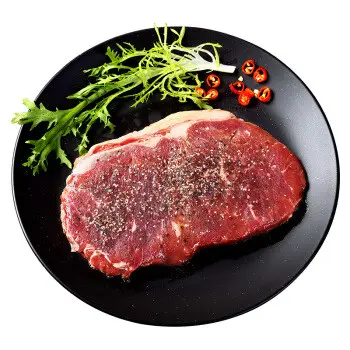
As of January 2022, the US price of a boneless sirloin steak was $10.83 a pound, the highest price since 1989. Overall, Australia, which is recovering from drought, is expected to increase beef production in the first quarter, as is Brazil.
In addition, the report said beef cattle numbers in Europe are expected to show a "slight contraction", while those in the United States will remain stable.
Source: Zhitong Financial Network


