

Meat-eaters' needs for meat are varied, some people enjoy eating organ meats, which they believe have different nutritional value and better taste, while others prefer to buy sterile, shrink-wrapped tender meat ( with or without bone).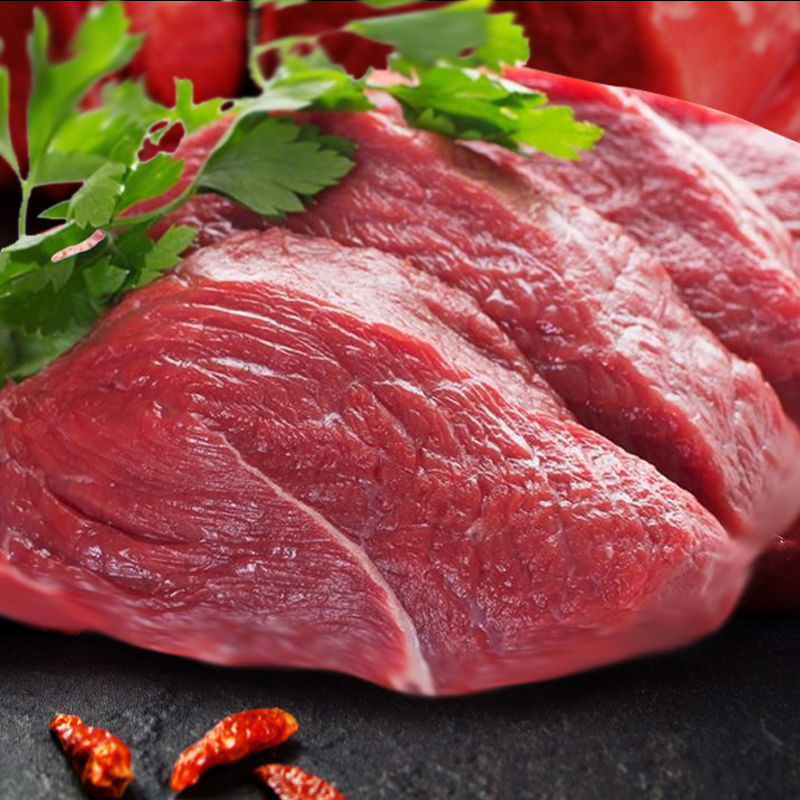
So what exactly is red meat?
Red meat is more accurately a culinary term for meat that is red when raw and darker when cooked. Pork, beef, goat, horse, meat rabbit, elk, etc. are all examples of red meat.We first need to understand the origin of red meat, adult cow steak is undoubtedly red, but veal (veal) is surprisingly pale. The color of the meat can also vary across the animal, depending on how much movement a particular muscle sees. The more a muscle uses, the more oxygen it needs, and myoglobin, the oxygen-binding protein responsible for transporting oxygen to these muscles, turns red when exposed to oxygen.
Why does red meat turn gray?
If you've ever bought a pack of steaks that were all snuggled together and wrapped tightly, you may have noticed some grey or brown spots when you took them out of the pack, especially on the steak Proximity to interconnected areas.In fact, there is no need to cause panic, because it all stems from oxidation. According to the USDA, these color changes are completely natural: beef muscle that has not been exposed to oxygen (such as in vacuum packaging) is burgundy or purple. After about 15 minutes of exposure to the air, the myoglobin gets oxygen and the meat turns bright and cherry red. Beef may turn brown after being refrigerated for about five days. This darkening is due to oxidation, a chemical change in myoglobin due to oxygen levels. This is a normal change during refrigerator storage.
Brown or gray on the meat doesn't mean it's gone bad, but it can mean it's been oxidized for more time. Meat with only some grey spots or not too red on the inside is not a threat due to lack of oxidation, but it is best to avoid steaks that are completely brown on the outside as this indicates that the meat has been oxidized for at least a few days and is not edible .
It's important to point out that color isn't the only freshness indicator we can use. Smell and touch are also available. Throw out any meat that smells of off-flavor, sourness, or ammonia, and do the same with any meat that's sticky or sticky.
Does red always equal fresh?
Based on the above introduction, you may think that red is the most reliable way to judge whether a piece of fresh meat is fresh or not. In addition to oxygen and oxygen-binding proteins, the average meat consumer's brain associates color readings with freshness. Supermarkets know this too, and know that bright red meat is easier to sell than less brightly colored meat, and they do everything they can to keep red meat [red".According to Harold McGee of The New York Times, treating meat (or fish) with carbon monoxide can keep it looking fresh, even if it's past its prime. Oxygen binds to an iron atom in myoglobin so it can be carried throughout the body, and carbon monoxide binds to it in exactly the same place: carbon monoxide is an effective color fixer. It sticks to the iron atoms of myoglobin like a leech, turning the molecule into its distinctive cherry red color and preventing it from reacting with anything else, including oxygen. That's exactly what the carbon monoxide in the air we breathe does to the hemoglobin in our blood, and why it chokes us. But at a level that works for meat and fish, it doesn't suffocate bacteria. As a result, there are concerns that carbon monoxide treatment may mislead consumers into eating fish and meat that have already begun to spoil. For this and other reasons, it is banned in Europe and Japan.
But carbon monoxide only affects the color. It doesn't mask off odors or reduce the sticky feel of the steak, so use all your senses when buying and preparing meat and you'll get more accurate intelligence.
Is "rainbow meat" still edible?
Cooked lunch meats, such as roast beef, sometimes have a shiny, rainbow-like finish. According to the USDA, this is due to the presence of multiple compounds on each slice: cuts of cooked beef or lunch meat can have iridescent colors. Meat contains iron, fat and many other compounds. When light hits a piece of meat, it splits into a rainbow of colors. There are also various pigments in meat compounds that give them an iridescent or green color when exposed to heat and processing. Rainbow-colored beef doesn't necessarily go bad. Spoiled cooked beef can also be sticky or sticky and have an off-flavor.Iridescence can also be observed in raw meat due to light refraction by muscle and fat, but its presence does not indicate spoilage. According to The Ohio State University, marinating, cooking, and even how the meat is sliced can have an effect on iridescence, but don't worry about it, even if it looks green.


